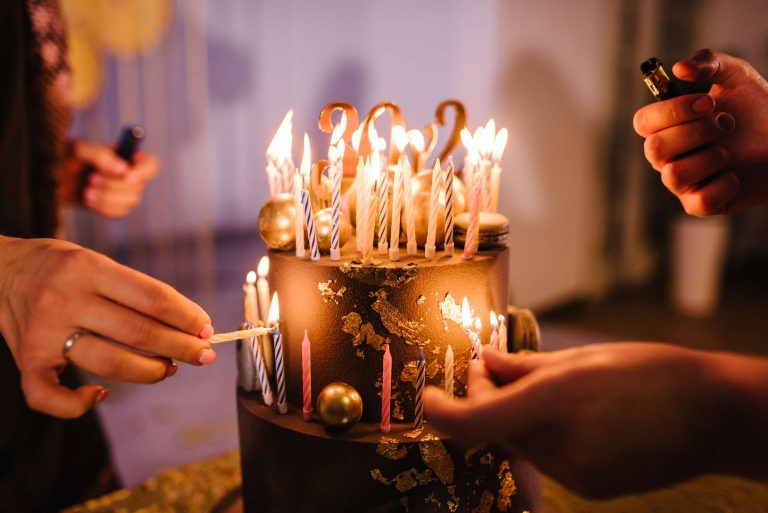

The Art and Science of Candle Arrangements
Candle arrangements are more than decorative elements—they are an expressive form of art that combines color, texture, and light to transform any space. Understanding the principles behind these arrangements allows enthusiasts to create compositions that not only look beautiful but also evoke emotion and ambiance.
A well-crafted candle arrangement balances several key elements:
- Color Harmony: Selecting complementary or contrasting colors to create visual interest.
- Texture: Incorporating different materials like glass, metal, and natural fibers to add depth and character.
- Shape and Form: Arranging candles of varying heights and diameters to guide the viewer’s eye.
The process begins with thoughtful planning. Start by defining the focal point of your arrangement, whether it’s a central candle or a decorative accent. Surround it with supporting elements that enhance rather than compete with the main piece.
Once the base layout is decided, experiment with layering and spacing. Don’t be afraid to mix unexpected materials—a rustic wooden tray can perfectly complement delicate, scented candles. Paying attention to symmetry and balance ensures the arrangement feels intentional rather than accidental.
Finishing touches elevate an ordinary display to a memorable centerpiece. Consider subtle accents like dried flowers, small ornaments, or natural greenery. These details reflect the creator’s personality, making each arrangement uniquely theirs.
Ultimately, creating candle arrangements is a journey. It’s about discovering your style, learning to combine materials thoughtfully, and finding joy in transforming simple components into captivating compositions. Practice, patience, and creativity are the keys to mastering this luminous art form.